Let's be honest—most small brands don't struggle with their products. They struggle with everything around it... especially packaging.
You finally start getting orders, and then suddenly:
- You're asked to order thousands of custom boxes
- Half of them sit in storage
- Shipping costs feel higher than they should be
If that sounds familiar, you’re not alone. This is exactly the stage where many small brands start rethinking their packaging strategy.
📦 Where Things Start Going Wrong
At the beginning, custom packaging feels like the "right move."
It looks polished. It feels like a real brand.
But a few months later:
- You ordered too much
- The size doesn't quite fit your product
- You want to adjust your design... but you're stuck with old stock
Now your money is sitting in packaging instead of your business.
That’s usually when brands realize—there has to be a better way.
💡 A More Flexible Way to Handle Packaging
Instead of going all-in too early, more brands are choosing to stay flexible first.
Not because they don't care about branding—but becuase they want to keep control over costs and inventory.
That's where solutions from Sinicline because a more practical option.

🧠 What Actually Works(Based on Real Choices Small Brands Make)
This isn't theory—this is what we see working again and again.
Start with ready-to-ship packaging
Things like:
- Mailer boxes
- Shipping bags
- Bubble mailers
Nothing complicated—but they solve the immediate problem.
More importantly:
- No large upfront investment
- Faster turnaround
- Easier to adjust as you grow


Get the size right(this impacts your cost more than you think)
A lot of unnecessary cost comes from packaging that’s just slightly off.
If your packaging is too large, you’re paying extra for shipping space you don’t even use.
Switching to better-fitting sizes can:
- Reduce shipping costs
- Improve packing efficiency
- Make your orders look more professional
Focus on consistency, not complexity
You don't need fully custom packaging to look like a real brand.

What actually makes a difference is:
- Clean structure
- Proper sizing
- Reliable material
For example:
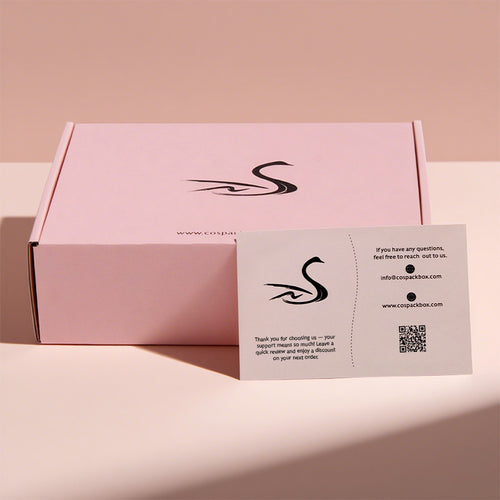
- Structured mailer boxes for better presentation
- Durable shipping bags for daily orders
- Protective bubble mailers for fragile items
When these basics are done right, your packaging already feels more put together.
Upgrade later—when your volume supports it
Custom packaging isn't wrong—it's just often introduced too early.
Once your order volume becomes stable and predictable, then investing in customization makes more sense.
Untile then, flexibility gives you more room to grow.
📊 Stock vs Custom Packaging(In Simple Terms)
If you think about it in a practical way:
Stock packaging is usually cheaper, easier to manage, and much more flexible.
You don't need to commit to large quantities, and you can adjust quickly as your business changes.
Custom Packaging, on the other hand, works better when your order volume is stable.
But it often comes with higher costs, higher minimum order quantities, and less flexibility.
For most small brands, starting with stock packaging simply makes more sense.
🌍 What We're Seeing Across Growing
More brands are moving away from large, fixed packaging orders.
Instead, they're choosing:
- Smaller quantities
- Faster restocking
- Less inventory pressure
It's not about cutting comer—it's about staying adaptable as the business grows.
And that's exactly why many brands turn to flexible packaging options from Sinicline.
🚀 If You're Trying to keep Packaging Costs Under Control
You don’t need to figure everything out at once.
Start simple. Test a few options. See what works for your products.
Many small brands take this approach first—and it helps them avoid unnecessary risk early on.

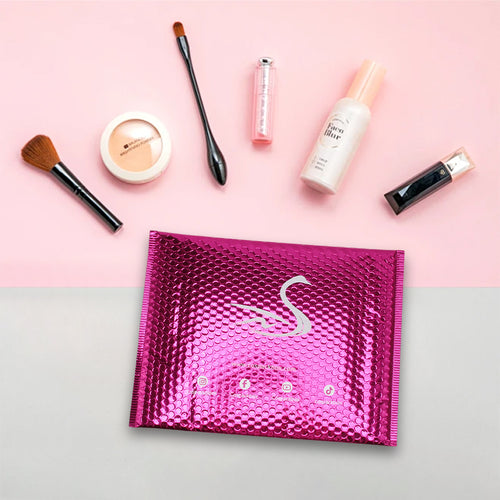 Bubble Mailer Durable Eco Friendly Packaging
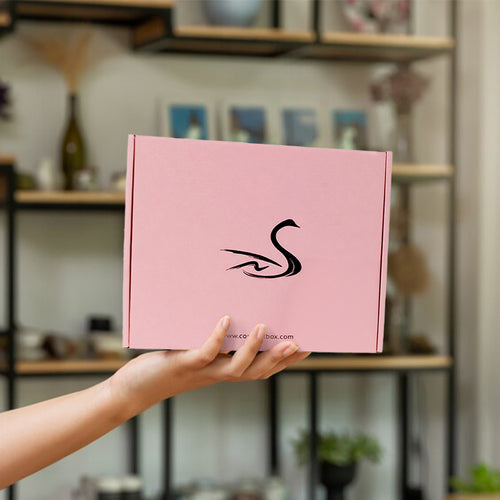 Corrugated Mailer Box – Eco & Durable Packaging by Sinicline
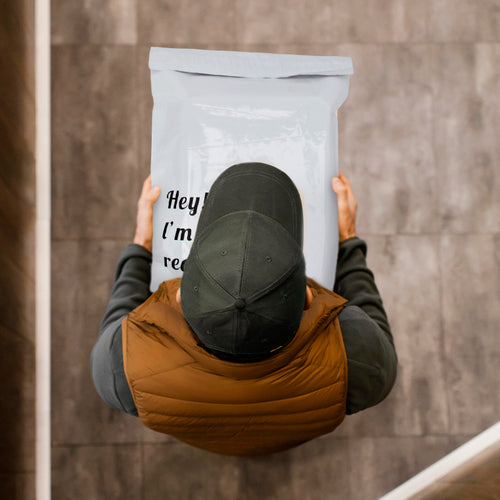 Custom Poly Mailer – Eco & Durable Shipping Bag | Sinicline
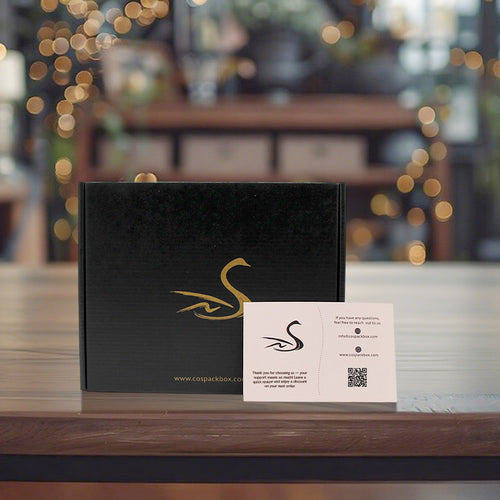 Eco Corrugated Mailer Box – Protective & Stylish | Sinicline
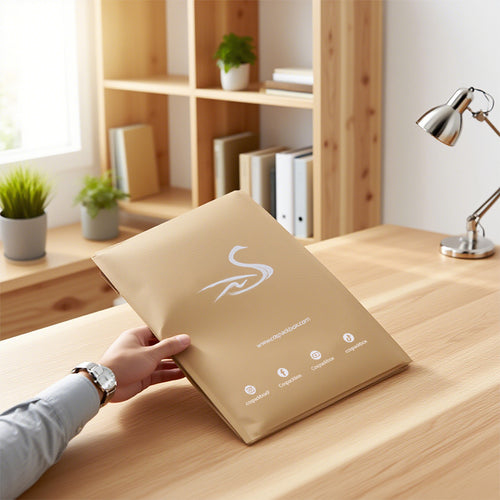 Eco Kraft Bubble Mailer – Protective & Sustainable | Sinicline
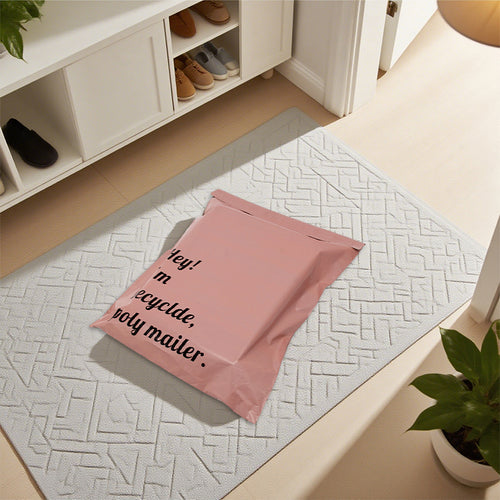 Eco Poly Mailer – Tear-Resistant Shipping Bag | Sinicline
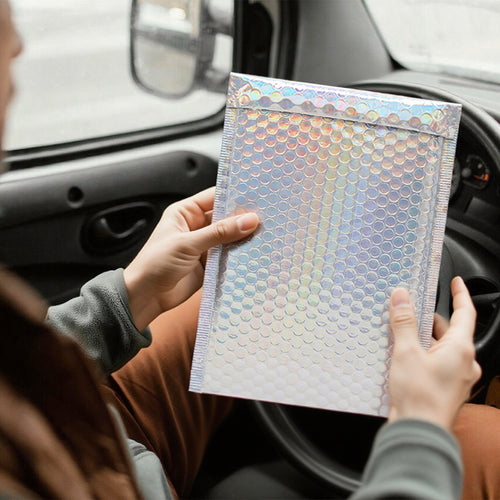 Holographic Bubble Mailer – Ready Stock Eco Friendly Protective Bag | Sinicline
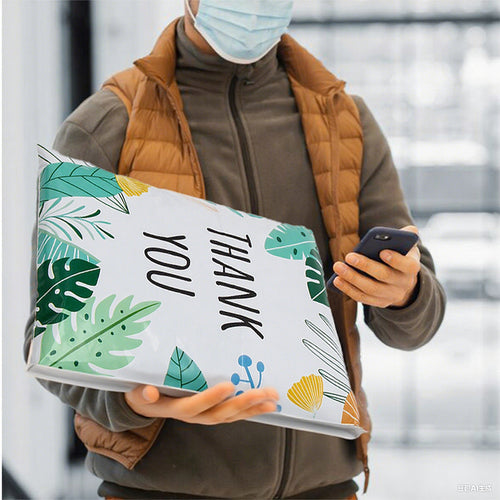 Poly Mailer Tear Resistant Eco Friendly PE Bag | Ready Stock Sinicline
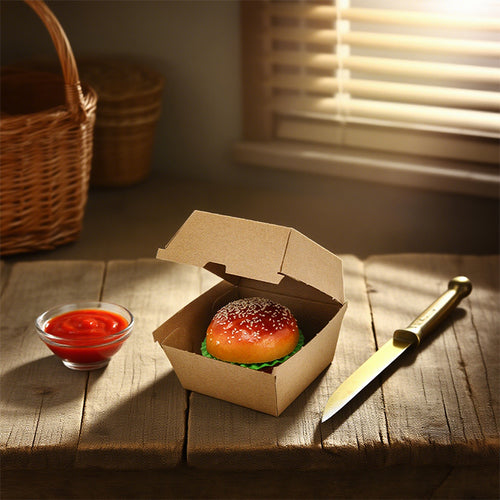 Corrugated Burger Box - Eco-Friendly, Sturdy Takeout Packaging | Reliable Food Solution - Sinicline
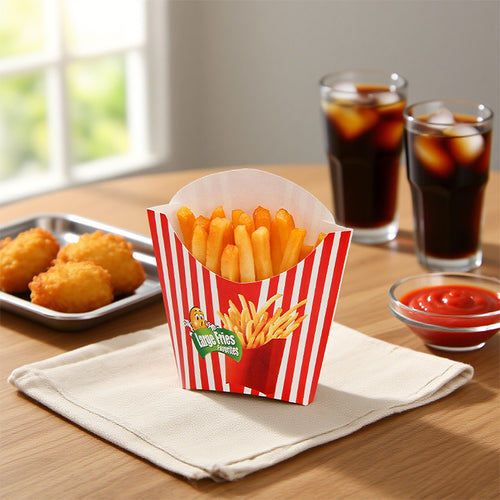 French Fried Box Eco Friendly Sturdy Snack Packaging | Reliable Quality by Sinicline
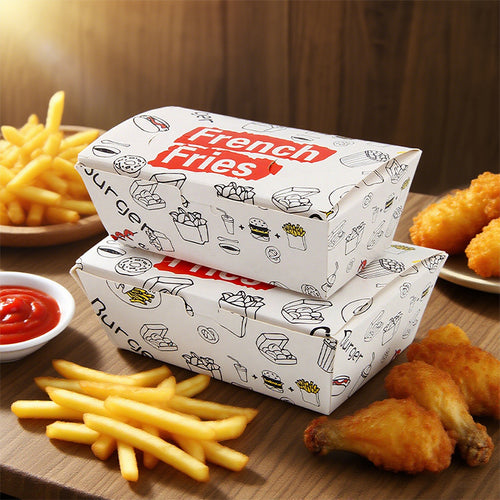 Fried Chicken Box Eco Friendly Sturdy Takeout Packaging | Reliable Quality by Sinicline
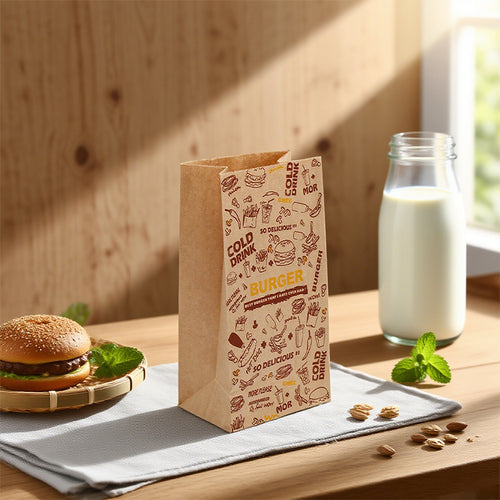 Fast Food Paper Bag Takeaway Packaging For Food Trucks Sinicline